& meet dozens of singles today!
User blogs
 Fusevy Plus
Hi,
This is my first post here! 
This guy (22, he/him) was super into me (21, she/her). I told him that I found him attractive a day before leaving for home for a week. He took that very well. We even had a good, long conversation after that (the week I got back).
We stay back after class and study together but we weren’t supposed to do that the week I got back. However, he got snarky during that conversation and told me to stay back. The day before I did that, I texted him informing him that I would be staying back. He bailed on me the next day. When I confronted him about it, he said that he did see my name pop up but he had received so many messages that he didn’t read them.
He texted me the next day and apologized. I asked him what his preferred method of communication was. He got back to me EXACTLY 24 hours later and said he doesn’t use his phone much so it would be best to talk to him in person. I found that weird bc he always used to get back to me within 2 hours before that. I was too angry to reply.
Two days later, he came and stood by my table (my friends were with me) with a friend (facing it) in hopes that I would say “hi”, I didn’t. The next day, he kept staring at me as I walked by him, again I ignored him.
This week his friend (22, she/her) asked me when I would start studying with him again, I panicked and said next week.
His friend is still SUPER nice to me and I don’t know what’s happening.
He has always been super outgoing and sweet to everyone including me but he’s also a bit weird. For example, he finds out things about me (certainly through mutual friends bc we have a lot of friends in common) that I never told him and then he confirms them with me. He says like “Were A, B and C in the same class as you in grade 7?” or “Were G, H and I in the same class as you in grade 11?” which points to the fact that he has talked to them about me bc I wasn’t friends these people (nor have I added them on social media) but he is. He also found out that nobody from my sister’s college has gotten residency in her hospital after her. I don’t know how he figured this out. He said he asked around but I hadn’t told him my sister’s name (he probably stalked my social media for that tho).
He tricked me into studying with him. He said he had no idea how to study for the licensing exams and how he didn’t know anyone who had given them so I offered to study together. During our first study session he told me his cousin had given the exams this year and had matched into a residency program. Then the next week he told me about a senior (one of his close friends) is also planning on giving it this year. I thought he didn’t know anyone who had appeared/ was planning on appearing for them.
My thoughts keep racing, maybe he’s trying to reject me or maybe I’m just overreacting. Maybe he’s trying to act aloof in an attempt to make me like him more or something idk. My friend says he’s trying to manipulate me and it does make sense.
I don’t know if I should reach out. My ex was super manipulative so I’m scared that he might take advantage of me reaching out first.
Any thoughts on what he’s trying to do and what my next step should be?
Thank you,
Frustrated
Dear Frustrated,
Hello! This guy seems interested in:
- Studying with you…sometimes…when he “tricks”* you into it or “snarkily” orders you to once you’ve said no. [*Tricks = lies about not knowing anyone else who’s studied for these exams and then tells you about all the people he knows who have. SMOOTH MOVE, BRO! ]
- Combing through your social media history and auditing your relationships with others.
- Texting you now and then to tell you that he doesn’t really read your texts but prefers to talk in person, which seems to mean hovering near you and staring at you in the hopes you’ll talk to him.
- Deputizing his friend as an ambassador to ask questions that he could know the answer to if he’d take a minute to open either his mouth or his texting app.
I don’t have the faintest clue why he’s doing any of this or what he actually wants, but I’ve met subway platform pigeons who are more consistent in their communication, so my question is, does the way he is behaving make you feel good? You’re a survivor of one manipulative ex, perhaps your greatest defense against acquiring another is remembering how that guy’s manipulations made you feel.
Do you feel respected? Wanted? Supported? Comfortable? Relaxed? Excited? Like opening up to him (about stuff like finding him attractive) gets you more of what you actually want? Do you feel like you can trust your own perceptions and reactions? Or do you feel confused. Off-balance. Disregarded. Like your reactions are overreactions and it’s always his move next.
Look at any of the things he’s actually proposed doing together. What’s in it for you? Is studying with him benefiting you in any way or is it all a favor to him that happens at his convenience and for his (fake) reasons? Is he even bringing any skills or knowledge to those sessions that gets you closer to your own academic and career goals?
With a stern-but-loving glance backward at my 21-year-old self, my advice is to you is, stop searching this guy’s interactions with you for slivers of evidence of what he’s like independent of his actual words and actions, and stop applying a Reverse-Reasonable Doubt standard to all of it. “Your honor, there’s no evidence that he’s not into me, so, I should act as if he is until I hear different, right?” No! If this guy wants something that requires your time and attention, be it study date or date-date, let him put that out there in a way that lets you say a straightforward yes or no and take his chances. Until he does, dub him “a sometimes pleasant/sometimes flaky guy from your class who is generally around” and no “I’m Ignoring You, But Loudly, So You’ll Notice”/”Hahaha, you can’t be Loudly Ignoring Me, I was already Loudly Ignoring you!” antics are necessary.
:bangs gavel: Make out with him if you want to and feel like it will be a good time – FOR YOU – I won’t judge! But good heavens, don’t spend precious time that you’ll never get back on the whole project of figuring out what he wants. If he wants you to know, he’ll fucking tell you and you don’t have to play guessing games.
Fusevy PlusHi Captain,
SHORT: A friend invited me to stay in their newly-purchased under-renovation home until my govt benefits started and I would be able to secure housing. I promised to look out for the house since they wouldn’t move in for a couple months and do some of the remodeling myself as a handy-person in exchange, though they insisted I didn’t have to do anything. Then a few weeks after I moved in they want me out.
I don’t know how to respond. I feel like they are going back on a promise. A big one too, since I have nowhere to go, and spent $800 moving my boxes of belongings there since I can’t do heavy lifting myself. On the other hand, it IS their home and they have say over it. Our arrangement is unofficial.
In the interest of self preservation I want to ask to stay, and I was really tempted to argue and get angry since this isn’t what they promised and it’s devastating to me personally. I don’t know how to do this though. How can I have this hard conversation? Is there a way I can bring up their promises without sounding entitled to their property and kindness?
LONG: This friend recently came into unimaginable wealth and so bought the home. They have an anxiety disorder so significant that at one point in their life they essentially couldn’t do anything at all. While it seems handled now, they get easily overwhelmed. I help project manage the renovation by making phone calls and scheduling, as well as maintaining a Trello list of all the tasks needing to done and notes on progress. They can’t do those things themself without breaking down. I also gave them homeowner 101, demoed walls, did small electrical work, and advised on what in the 90 year old home was worth restoring or better to replace, since century homes are a hobby of mine. All this to say I’ve been trying to make myself worth it. They aren’t living in the home, they’re still in a rental unit while they wait for the big renovations to be done. They’ve decided they want to move in the next few weeks, saying they want all of their house and they don’t want a roommate.
I explained to them when they originally extended the offer it can take a year or more to get disability benefits. I’ve done that once every two weeks as well, since they constantly ask if I’m done yet. I won’t even get another conversation with my lawyer until the end of the month, much less progress on the case. It’s a really complex and long process, nothing will speed it up.
Additionally, I’m neurodivergent and notorious for missing things during interactions with people. I only know what you tell me literally and directly. I know about nuance and stuff, but I have to insist most people be as literal as possible with me because I miss it if you’re not my lifelong friend or a book. This friend is similar, but not nearly as bad. in the couple months I’ve lived there, they often think they’ve literally said something and in fact never did, and then get upset with me for ignoring what they (never) said. I try not to get too frustrated because i can’t keep a handle on it. I like them and I’m grateful for the housing and I don’t want to ruin it with flaws I know I have.
I don’t think it needs too much explaining. There was a promise made, I warned them of the timeline, they OKed everything, and now they’re not OK with everything and have given me a deadline, no matter how it will turn out for me. I’m upset that their own shortsightedness or whatever this is is going to have me on the street if I don’t talk to them. What do I do?!
Thanks,
Give me whatever witty name you want haha
PS: I’m aware of legal routes, but I want to explore the interpersonal first, since we’re friends in an informal arrangement.
Hello there Witty Name and OH NO! That is so stressful.
Let us pause for a not-at-all-brief public service announcement: One of the most common questions in my inbox has to do with informal housing relationships that have outlived their utility.
- “I want to get my own apartment when our lease is up, but I know my roommate won’t be able to afford the rent here on their own, how do I tell them?”
- “My brother started crashing with us in 2020 when his college went fully online, which was fine, but why the heck does he still live here?”
- “I want to break up with my partner but I’m afraid that they have nowhere to go and will be homeless. But I want them out!”
- “My roommate’s partner is here 6 nights out of 7, hogs the common spaces and the bathroom, but doesn’t pay rent or bills.”
- “I started living with my friend/let my friend move in but it’s not working. How do I hang in until our lease is up/break the news?”
Witty Name, I’d be remiss if I didn’t mention that most of the letters about this are from the person with relatively more negotiating power in the situation: The leaseholder/homeowner, the person who wants to do the breaking up, the person with the means to leave, which is not the same as your situation at all. But they do have the common problem of, “Housing is human right, not a commodity, what the fuck*” and “We agreed to something that was supposed to be temporary, didn’t put it in writing, and didn’t discuss an end date or contingency plan when we made the arrangement, and now we’re fucked.”
*Seriously, at least half of my inbox would become moot if people could afford to stop living in incompatible and downright abusive situations.
My overall PSA is this: When mixing friendship, family, and/or romance with money and housing:
1. Put it in writing. “But we’re faaaaaaamily/close friends/in love we shouldn’t have to…” Ummmmmmmmmmm, maybe so, BUT CLEARLY MANY OF YOU DO HAVE TO, so do it. “Let’s just spell the details out now so that everybody’s protected in case of emergency and we never have to fight about it.”
If you ask to put things in writing, and the other person resists, strongly reconsider sharing living space with them at all for any length of time.
2. Assume nothing. Put all of it in writing. Money, bills, chores, maintenance, meals, guests, all of it. If one person is providing labor like cleaning, babysitting, or home repair in exchange for reduced housing costs, spell out costs for supplies, an hourly rate, deadlines, reasonable working hours, etc. so that things are fair and balanced.
3. Include an end date from the start so everybody knows where they stand. If your intention is not to have someone move in forever, convert “Come stay with us until you get back on your feet” into “We’re happy to host you for up to two months [or whatever period you honestly, enthusiastically want to host the person] while you look for work and new housing, let’s check in at the one month mark and see where things are at.” If you’re the one moving in, and nobody suggests and end date, you can propose one of your own. “I think I’ll need to stay for _______ amount of time, is that possible? Let’s check in around _______ to make sure everything’s still cool.”
You can always negotiate an extension if that’s what truly needs to happen, but I promise you, I PROMISE YOU, everyone will be better off if “temporary” is clearly defined from the beginning.
4. Make – AND DISCUSS – a contingency plan for what happens if things aren’t working and somebody needs to move out sooner than planned. Do this right at the beginning, when everybody maximally likes each other and has high hopes for everything going to plan. If you never need to refer back to it because everything is smooth sailing, great! But if you do need it, it will protect everyone.
Witty Name, hello, let’s get back to your specific situation, aka “Great….thanks? ….For the advice,? We did exactly none of that, so what now?” You are in a time-sensitive, high-stakes negotiation and I want to help you navigate it as much as I can with what we’ve got.
First, I suggest that you assume you will actually have to move out on the date your friend told you and plan accordingly. Direct the bulk of your energy, any remaining money, time, and other resources to the urgent project of finding a new housing situation.
Here is a non-comprehensive list of things you could do: Make a list of any other friends and family who might be able to put you up for a while, loan you funds, store your stuff, or let you use their address for mail. If you’re already working with a social worker or other govt. benefits expert/agency on securing benefits, call them and tell them you are losing your housing in a matter of weeks and see if there are any emergency funds or programs available. Your lawyer’s office may know some places to call. (I believe you that there is no way to speed up the legal process you’re in, but there might be programs or bridge funds that you don’t know about and an expert in disability benefits might.) “Emergency housing assistance” + “Your location” are going to be useful search engine terms for you. Look also for house-sitting and pet-sitting (where you stay in the person’s house) jobs. If you’re in the Northern Hemisphere it’s summer now and everyone is trying to go on vacation, so there might be more demand than usual. You urgently need to Not Be Homeless, so start there.
Stop all work on the house. On principle, pour no more energy into a living space you are being evicted from. Also, you literally don’t have time. Communicate with your friend/landlord as little as possible for the time being, and when you do be brief, polite, and non-committal. “Hey, got your text, I need a few days to think things over and plan, talk soon.” Don’t send FEELINGSTEXTS. The illusion that everybody is still friendly is useful right now.
Next, if you think you might have legal avenues, find a local pro-bono landlord/tenant attorney or legal clinic and talk to them about your options. Because the arrangement is informal, you might not have a lot of room to maneuver, but there are sometimes rules about eviction lead times and notice that may buy you a little more time. I know you want to try to work things out directly with this person before invoking the legal system, and that’s admirable, but if a lawyer thinks that you have no legal recourse, you ideally want to know that before you try to talk it over with your landlord.
Do not tell your landlord that you are talking to a lawyer. Do not threaten legal action. Do not brainstorm aloud about legal action. Talk to an actual lawyer, privately, and then either take legal action if that’s appropriate and your least worst course of action, or don’t.
Now, I want you to total up all of the time you spent working on your friend’s house (planning time, training time, admin time, handy-person time,) as well as any supplies you paid for. “Pay” yourself the going rate for this kind of work where you live and add it up. I don’t want you to *say* or show this number to your friend right now, I just want you to know what it is. How much would they have had to pay someone to do what you did? How does it stack up against market rental rates where you live? While we’re doing math, how much money would get you & your stuff moved into a temporary housing situation for say, three months? Write these numbers down.
Worst-case scenario planning, researching your options, checking into legal avenues, doing math: Check. Let’s talk about how to approach your friend once you have more information in front of you.
This is one of those situations where, you can be right about everything being unfair, but being right doesn’t cancel out power imbalances and other facts of the situation. Whatever you agreed, whatever “should” be happening right now isn’t happening, and it’s essential to accept that and deal with what is actually happening.
The facts are: Your friend owns the house and – for whatever reason! – doesn’t want you living there anymore. I’m sure the labor you offered was a big help to them, but something about that exchange or situation is not working for them, to the point that they are willing to go back on their agreement and pretty much nuke the friendship from space in order to bring it to a close. Their reason might honestly boil down to “I thought this was going to work and then realized it’s not working,” which, is shitty and puts you in a terrible position, but that doesn’t make it untrue. I believe that you spelled out everything from the start, but your friend asking you every couple of weeks “When are you going to get your benefits/move out” indicates to me that they never planned on having you be there for a whole year, and there is pretty much zero chance that you’ll get them to let you live there indefinitely now that they’ve asked you to leave.
My thinking is, if you can accept that they want you out, and plan with all your might for that outcome, you may be able to negotiate for other things that will help you with Project Don’t Be Homeless. What you actually ask for is going to depend a lot on the specifics of your research and contingency planning, but the best and most realistic possibility I can think of is asking for direct financial assistance. You said they recently came into “unimaginable wealth.” So would they be able to give you a lump sum that would set you up for at least a few months in a safe rental? Sometimes the cheapest way to pay is with money, and it sounds like money would solve everybody’s problem here.
Strategically, I would not present this as “You owe me for all the work I did and for screwing me over!,” more like, “I understand that you want me out by ______, but to make that happen I need at least _______ to put down a deposit on a place and move my things again. Can you cover those costs for me?”
In your shoes, I would assume that asking this person for money is a one-time thing, and therefore would ask for the biggest lump sum that would actually be enough, with extra padding for them to negotiate downward and still cover your essential costs (vs. trying to ask for just a little here, just a little there). Remember the calculations about how much it would cost for the services you provided for free? Make what you ask for bigger than that number, but don’t actually say “you owe me” while it’s still a “friendly” request for “help.” If they acquiesce, they are basically paying you to leave without a fuss, so ask for what would help you just get the hell out of there with little or no fuss.
If asking for money fails, then your legal and other research will come in handy as you figure out what to do next. I wish I had more “fix the situation so you can have what you initially agreed to” options, but I really don’t. Your (soon-to-be-extremely-former) friend wants you to leave and has the power and resources to get you to leave, so your best path is to work out how you can take care of yourself given that reality. Processing exactly what happened and why, mourning the friendship, and feeling all the feelings are a project for when you’ve got a safe roof over your head. It sucks. I’m sorry.
I’m wishing you all the luck.
Fusevy PlusHello everyone!
So now the weather is a bit better I’m moving the meetups back to outdoors, as that allows as many of us as possible to attend safely. So, here we go:
25th June, 1pm, Hyde Park.
Please bring your own:
- Picnic blanket or similar
- Any folding chairs etc. you may want to use
- Food and drink for yourself
- Masks unless you’re exempt
- Crafting things if you want
- Umbrella, waterproofs etc. if needed
Please email me at the below to say you’re coming.
No RSVPs via any other method accepted – e.g. no text messages, no comments here, no facebook likes, etc. Please make sure you email me.
Please make sure you also update me if you RSVP yes but later can’t come.
I will email the confirmed people with a map link to show the exact location in the park, and I will have my plush Chthulu which looks like this:

Other things to bear in mind:
- Please make sure you follow social distancing rules. This particularly includes respecting people’s personal space and their choices about distancing.
- We have all had a terrible time for the last two years. Sharing your struggles is okay and is part of what the group is for, but we need to be careful not to overwhelm each other or have the conversation be entirely negative. Where I usually draw the line here is that personal struggles are fine to talk about but political rants are discouraged, but I may have to move this line on the day when I see how things go. Don’t worry, I will tell you!
- Probably lots of us have forgotten how to be around people (most likely me as well), so here is permission to walk away if you need space. Also a reminder that we will all react differently, so be careful to give others space if they need.
The park has public toilets available, but last time the queues were extremely long. The fee is 20p by contactless payment. They are claimed to be fully accessible but I didn’t manage to find full confirmation sorry.
I will cancel this meetup if government guidance changes or if the weather is truly prohibitive, so keep an eye on this space.
kate DOT towner AT gmail DOT com

If you need to find the MAC address lookup of your device, you've come to the right place. In this blog post, we will discuss how to find the MAC address for both Windows and Mac computers. We will also show you how to find the MAC address for your smartphone or tablet. So whether you are a business owner who needs to track devices, or you are just curious about your own device's MAC address, read on for all the information you need!
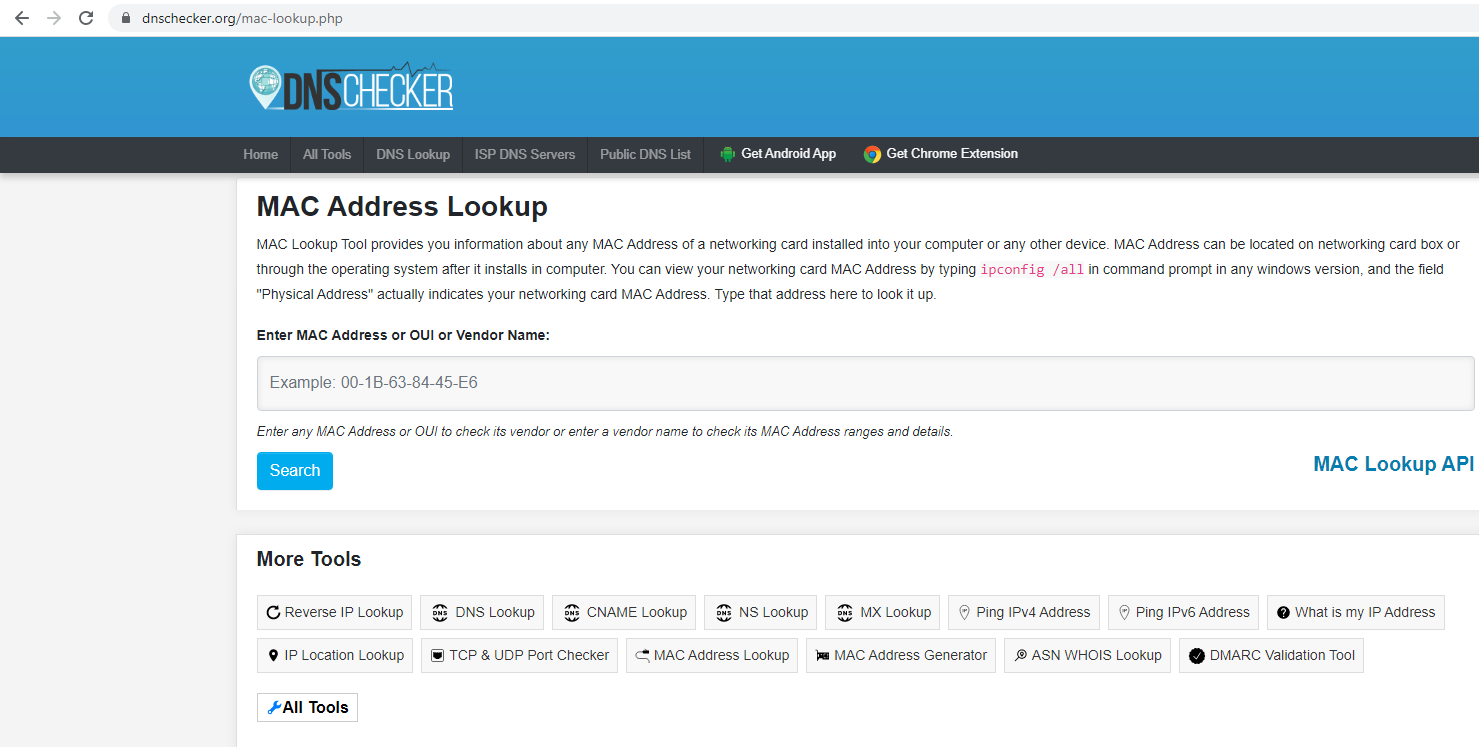
First, let's start with finding the MAC address lookup on a Windows computer. To do this, you will need to open the Command Prompt. To do this, go to Start and then type in "cmd" into the search bar. Once the Command Prompt appears, type in "getmac" and hit enter. This should give you a list of all the MAC addresses for the devices connected to your computer. If you only want to find the MAC address for a specific device, you can type in "getmac /v" and then hit enter. This will give you more detailed information about each MAC address.
Now let's move on to finding the MAC address lookup on a Mac computer. To do this, you will need to open the Terminal. To do this, go to Applications and then Utilities. Once the Terminal opens, type in "ifconfig" and hit enter. This should give you a list of all the MAC addresses for the devices connected to your computer. If you only want to find the MAC address for a specific device, you can type in "ifconfig en0" and then hit enter. This will give you more detailed information about each MAC address.
Finally, let's discuss how to find the MAC address lookup for your smartphone or tablet. For most devices, you can find the MAC address by going into the Settings menu. From there, look for the "About" section and then find the MAC address listed under that. If you can't find the MAC address in the Settings menu, you may need to look in the System Preferences or About Phone section.
When it comes to finding the MAC address lookup of your device there are a few different ways that you can go about it. In this blog post, we will discuss how to find the MAC address for both Windows and Mac computers as well as for your smartphone or tablet. So whether you are a business owner who needs to track devices or you are just curious about your own device's MAC address lookup, read on for all the information you need!
We hope this post has been helpful in showing you how to find the MAC address lookup of your device! If you have any other questions, feel free to leave them in the comments section below. Thanks for reading!
If you're like most business owners, you are always looking for new and innovative ways to improve your business.
Have you ever considered using QR scanner to help boost your bottom line?
Qr Scanner can be used in a number of ways to help your business reach its goals. In this blog post, we will discuss the different ways that qr scanner can benefit your business. We will also provide some tips on how to get started!
Qr Scanner can be used to track inventory levels, marketing campaigns, and even customer loyalty. By tracking this data, you can make informed decisions about how to improve your business. For example, if you see that a certain marketing campaign is not performing well, you can discontinue it and save money. Alternatively, if you notice that your inventory levels are low, you can order more products to avoid stock-outs.
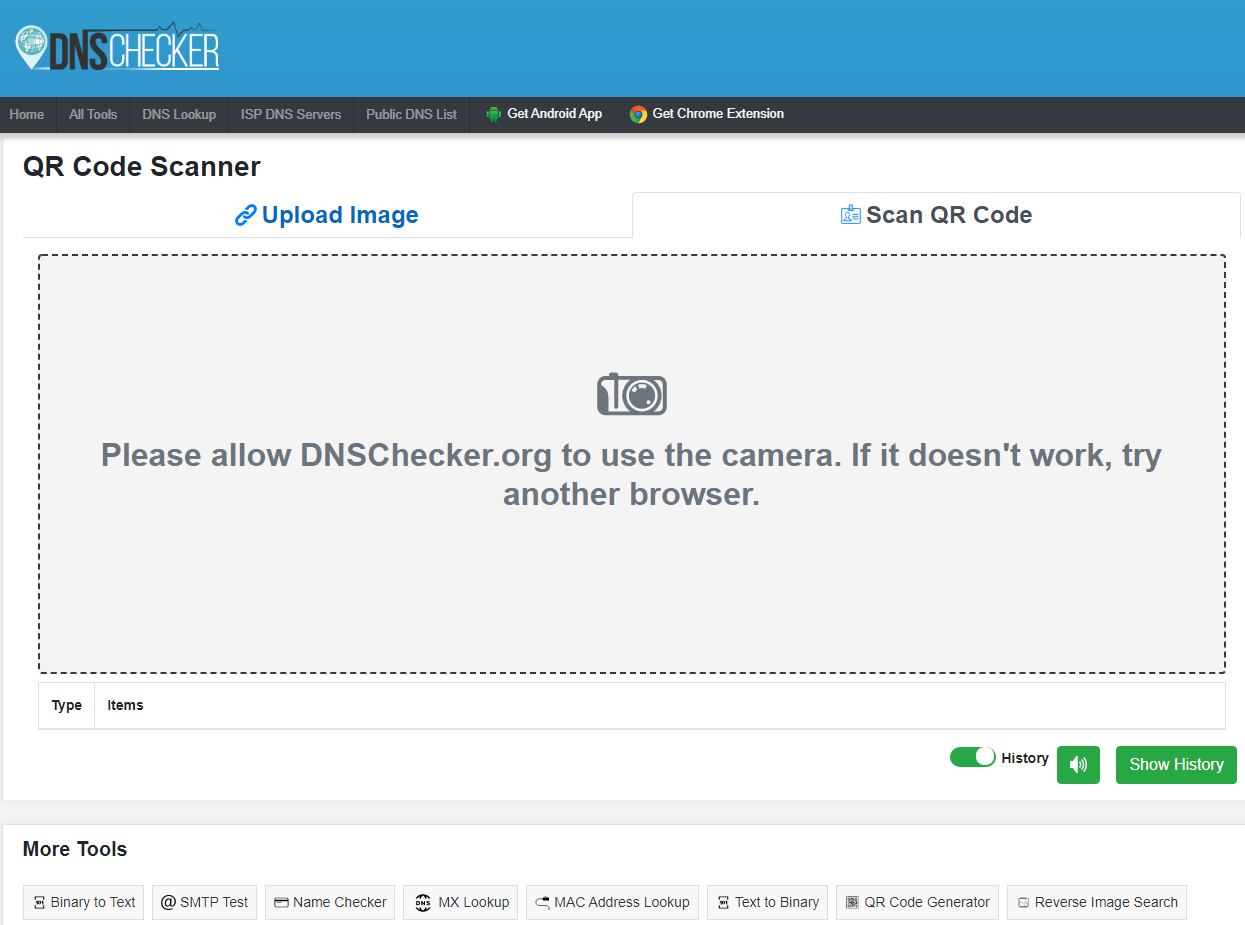
Qr Scanner can also be used to improve customer service. By tracking customer loyalty, you can identify your most loyal customers and offer them special deals or incentives. This will help to keep them coming back, which is good for business!
If you're interested in using Qr Scanner to benefit your business, there are a few things you need to know. First, you'll need to purchase a qr scanner. There are many different types of qr scanners on the market, so be sure to choose one that is compatible with your specific needs. Once you have a qr scanner, you'll need to create qr codes for your products or services. You can do this yourself, or you can hire a professional to do it for you.
Once you have Qr Code for your products or services, you'll need to promote them! You can do this by including qr codes in your marketing materials, such as flyers and business cards. You can also add qr codes to your website or blog, or even create qr code-based loyalty programs. By promoting your qr codes, you'll be able to reach a wider audience and boost your bottom line!
Qr Code Scanner can be a great way to improve your business. By tracking data, improving customer service, and promoting your qr codes, you can reach your goals and boost your bottom line. So what are you waiting for? Get started today!
Have you used Qr Scanners to benefit your business?
Share your experiences in the comments below! And if you have any questions, feel free to ask them as well.


